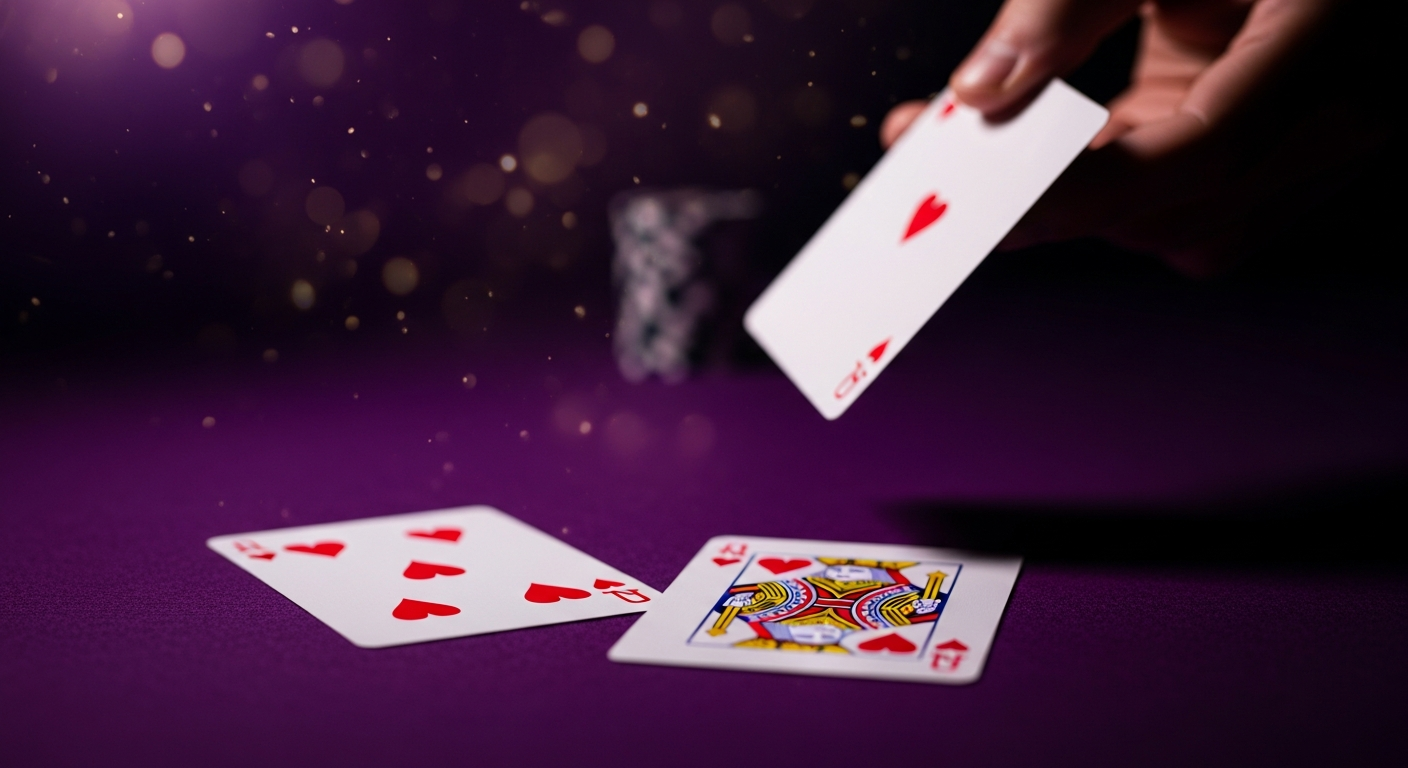
Three cards on the table: one queen, two others. The dealer shuffles them around, slowly, visibly. You follow her effortlessly. He asks: 'Which one?' You point. He turns. Wrong. You play the same bet ten times and lose ten times. Welcome to the oldest con in the world, also used by famous magicians like Penn & Teller.
Watch this trick in action
The technique: the Mexican Turnover and the Throw
The heart of Three Card Monte is the 'Throw': the dealer holds two cards in one hand and throws the top one (not the bottom) onto the table, while pretending to throw the bottom one. The audience follows the 'wrong' card, not the right one.
A second technique is the 'Mexican Turnover': a fake reveal where the dealer swaps your chosen card with another at the moment of turning over. The motion is too quick for the eye to follow.
On the street, accomplices ('shills') pretend to win to convince you to play. In pure magic theatre only technique is used, no fraud.
The psychology: trust in your own eye
People think they see faster than they actually can. The visual system has a processing delay of about 100 milliseconds, the Throw happens in 40. You literally see a different image than what occurred. But your brain refuses to accept it.
Then 'sunk cost' kicks in: the more you lose, the more convinced you become that you'll win 'next time'. Casinos and street dealers exploit the same instinct. That's why Three Card Monte is so addictive, and so dangerous when played for real money.
Three Card Monte is not a game of chance. It's a one-way ticket. As pure magic it is brilliant, as street gambling it is fraud. Know the difference.